In the bustling landscape of Indian mobile gaming, where preferences range from casual puzzle games to intense multiplayer battles, Overlord Royal Splendor has emerged as a breath of fresh air – a game that doesn’t just copy global trends but weaves in desi sensibilities, cultural references, and gameplay tailored to the unique needs of Indian gamers. Developed by Desi Game Studios Pvt. Ltd. in collaboration with Daman Games, this action-adventure multiplayer title has quickly carved a niche for itself, resonating with both casual players and competitive esports enthusiasts across metro cities, tier-2 towns, and even rural areas.
What sets Overlord Royal Splendor apart from the crowd? It’s the perfect blend of familiarity and innovation. The game draws inspiration from India’s rich historical tapestry – think Mughal forts, Rajput valor, South Indian temple architecture, and the grandeur of royal courts – while infusing it with fast-paced combat, strategic gameplay, and social features that align with how Indians love to play. Whether you’re commuting on the Mumbai local, chilling at a Delhi café, or spending a weekend in a small town in Uttar Pradesh, Overlord Royal Splendor is designed to run smoothly on low-end devices, consume minimal data, and offer hours of engaging entertainment.
Fun Fact: Within six months of its launch, Overlord Royal Splendor crossed 5 million downloads in India, with 60% of players coming from tier-2 and tier-3 cities. Its Hindi and Tamil voiceovers were the most requested features during beta testing!
This comprehensive guide aims to cover every aspect of Overlord Royal Splendor – from its core gameplay mechanics and game modes to its development journey, cultural impact, and future prospects. Whether you’re a new player looking to get started, a seasoned gamer seeking advanced strategies, or just someone curious about India’s growing gaming industry, this page has something for everyone. So, grab your mobile device, put on your headphones, and let’s dive into the royal world of Overlord Royal Splendor!
Game Overview
👑 Core Concept
At its heart, Overlord Royal Splendor is a multiplayer action game centered around the theme of royal dominance. Players take on the role of a “Royal Overlord” – a warrior, strategist, and leader – vying for control of the fictional kingdom of “Aryavarta Pradesh,” a land inspired by ancient and medieval India. The core objective? Prove your worth through battles, alliances, and kingdom-building, ultimately ascending to the throne as the supreme ruler of Aryavarta Pradesh.
Unlike many global games that force players into a single playstyle, Overlord Royal Splendor offers flexibility. You can be a ruthless warrior who crushes enemies in combat, a shrewd diplomat who forms alliances with other players to conquer territories, or a skilled builder who develops their kingdom to unlock powerful rewards. This versatility is a key reason for the game’s broad appeal – it caters to both competitive and casual players, allowing each individual to carve their own path to glory.
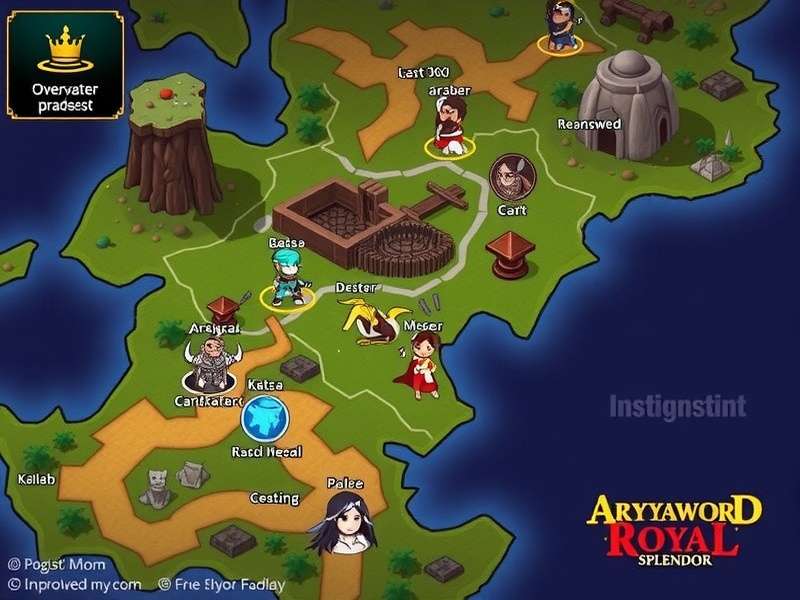
The map of Aryavarta Pradesh, featuring regions inspired by different parts of India – from the Himalayan forts in the north to the coastal kingdoms in the south.
📜 Setting & Lore
The lore of Overlord Royal Splendor is deeply rooted in Indian mythology and history, with a fictional twist that keeps things fresh. Aryavarta Pradesh was once a united kingdom ruled by the wise King Vikramaditya, who maintained peace and prosperity for decades. However, after his passing, the kingdom split into five warring factions – each led by a powerful noble family, each with their own strengths, weaknesses, and cultural influences.
The five factions are:
- Rajputana Warriors (North India): Known for their valor, horse-riding skills, and heavy armor. Inspired by the Rajput clans of Rajasthan and Madhya Pradesh.
- Mughal Empire (Central India): Masters of archery, strategy, and grand fortifications. Draws from Mughal history, with references to Akbar’s court and the Red Fort.
- Dravidian Dynasty (South India): Skilled in hand-to-hand combat, stealth, and temple-based magic. Influenced by Chola, Pallava, and Vijayanagara empires.
- Bengal Sultanate (East India): Experts in naval combat, water-based abilities, and trade. Reflects the rich maritime history of Bengal and Odisha.
- Gujarat Traders (West India): Agile fighters, masters of deception, and resource management. Inspired by Gujarat’s trading communities and the Solanki dynasty.
As a player, you choose one of these factions to align with, and your journey unfolds through a series of quests, battles, and events that reveal the secrets of King Vikramaditya’s death and the true power that lies within Aryavarta Pradesh. The lore is delivered through in-game cutscenes, voiceovers in regional languages, and written narratives that are easy to follow but rich in detail – perfect for players who love story-driven games but don’t have hours to invest in lengthy cinematics.
👥 Target Audience
Overlord Royal Splendor was designed with a broad Indian audience in mind, but it particularly resonates with three key groups:
Casual Mobile Gamers (15-30 years)
Players who enjoy short, engaging sessions – perfect for commutes, breaks, or lazy afternoons. The game’s simple controls, quick matches, and low data usage make it ideal for this group. Many casual players are drawn to the game’s colorful visuals and social features, like playing with friends or joining guilds.
Competitive Gamers & Esports Enthusiasts (18-28 years)
Players who thrive on competition. Overlord Royal Splendor’s ranked modes, leaderboards, and esports tournaments offer a platform to showcase skills and win real prizes (like UPI cash, mobile phones, and Daman Games vouchers). The game’s balanced combat system ensures that skill, not just in-app purchases, determines success.
History & Culture Buffs (20-40 years)
Players who appreciate games that celebrate Indian culture. The game’s attention to detail – from the architecture of forts to the design of weapons and costumes – resonates with this group. Many players have noted that Overlord Royal Splendor has sparked their interest in learning more about India’s historical kingdoms and dynasties.
One of the game’s greatest strengths is its ability to appeal to both male and female players – a rarity in the Indian gaming space, where many action games are male-dominated. The inclusion of strong female characters, customizable avatars, and storylines that emphasize courage and intelligence (not just brute strength) has helped attract a significant number of female gamers, making up 35% of the player base.
Gameplay Mechanics
🔄 Core Gameplay Loop
The core gameplay loop of Overlord Royal Splendor is simple to understand but deeply addictive: Battle → Earn Resources → Upgrade → Battle Again. Here’s how it works:
- Battle: Participate in matches (PvP, PvE, or events) to earn gold, gems, experience points (XP), and rare items.
- Earn Resources: Resources can also be collected by completing quests, managing your kingdom, or trading with other players.
- Upgrade: Use resources to upgrade your character’s weapons, armor, and abilities; improve your kingdom’s structures (like forts, armories, and temples); and unlock new content (like game modes or characters).
- Battle Again: With upgraded gear and abilities, take on more challenging opponents and earn better rewards.
What makes this loop engaging is its balance – you don’t have to grind for hours to see progress. Even a 10-minute session can yield meaningful rewards, making the game perfect for players with busy schedules. Additionally, the game offers “daily login bonuses” and “quick quests” that can be completed in 5 minutes or less, ensuring that players feel rewarded even if they can’t play for long.
🎭 Character Customization
Character customization is a key feature of Overlord Royal Splendor, allowing players to create a unique avatar that reflects their personality and playstyle. The customization options are extensive, with a focus on desi aesthetics:
Appearance: Choose from a range of facial features, hairstyles, and skin tones that represent the diversity of India. Hairstyles include traditional options like braids, turbans, and jatas (dreadlocks), as well as modern styles. You can also customize your character’s height, build, and facial hair (for male characters) or bindis and bangles (for female characters).
Costumes: The game offers hundreds of costumes inspired by Indian culture – from Rajput warrior armor and Mughal sherwanis to Dravidian silk sarees and Bengali kurtas. Each costume has unique stats (like increased defense or attack power) and can be upgraded using resources. Some costumes are exclusive to events or Daman Games users, adding a sense of exclusivity.
Weapons & Accessories: Weapons range from traditional Indian arms like swords (talwar), bows and arrows (dhanush), and spears (barcha) to magical weapons like tridents (trishul) and staffs (gada). Accessories include shields, amulets, and crowns that boost your character’s abilities. Many weapons and accessories have unique designs – for example, a Mughal-inspired bow with intricate engravings or a Dravidian shield shaped like a temple gopuram.
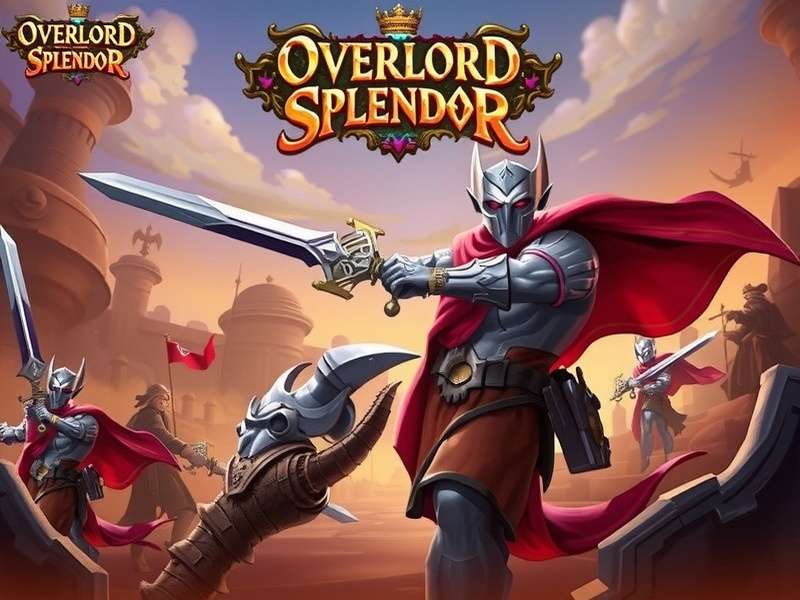
The character customization menu, showing the range of desi-inspired costumes, weapons, and accessories available.
One of the most popular customization features is the “Regional Look” option, which lets you dress your character in attire specific to a Indian state – for example, a Punjabi turban and kurta, a Kerala mundu and shirt, or a Manipuri phanek. This attention to regional diversity has been widely praised by players, who appreciate seeing their culture represented in the game.
⚔️ Combat System
The combat system in Overlord Royal Splendor is designed to be easy to learn but hard to master – a perfect balance for both casual and competitive players. The game uses touch controls optimized for mobile devices, with a layout that can be customized to suit individual preferences.
Basic Controls:
- Movement: A virtual joystick on the left side of the screen lets you move your character freely.
- Attack: A large “Attack” button on the right side triggers basic attacks (sword swings, bow shots, etc.).
- Skills: Three skill buttons (above the Attack button) let you use special abilities (like fire blasts, healing, or teleportation). Each skill has a cooldown period, so you need to use them strategically.
- Dodge/Block: A “Dodge” button lets you evade attacks, while a “Block” button (unlocked at level 10) lets you reduce damage from enemy hits.
What makes the combat system unique is its “Faction Abilities” – each faction has a set of unique skills that reflect their cultural strengths. For example:
- Rajputana Warriors: “Rajput Charge” – a powerful horse-mounted attack that deals massive damage to multiple enemies.
- Mughal Empire: “Mughal Archery Barrage” – a rain of arrows that hits all enemies in a large area.
- Dravidian Dynasty: “Temple Blessing” – a healing aura that restores health to you and your allies.
- Bengal Sultanate: “Water Shield” – a protective barrier that absorbs damage and slows down enemies.
- Gujarat Traders: “Trader’s Trick” – a smoke bomb that blinds enemies and lets you escape or ambush.
The combat is fast-paced but not chaotic – you need to plan your attacks, dodge enemy skills, and coordinate with teammates (in multiplayer modes) to win. The game also features a “Combo System” – landing three basic attacks in a row triggers a powerful combo attack that deals extra damage. This adds a layer of skill to the combat, as mastering combos can turn the tide of a battle.
Pro Tip: For new players, start with the Rajputana or Dravidian factions – their abilities are straightforward and great for learning the basics. Once you’re comfortable, try the Gujarat Traders for a more strategic playstyle or the Bengal Sultanate for naval combat!
📈 Progression System
The progression system in Overlord Royal Splendor is designed to keep players engaged without feeling like a grind. There are multiple ways to progress, ensuring that you always have something to work towards:
Character Level: Earn XP by winning battles, completing quests, and participating in events. As you level up, you unlock new skills, customization options, and game modes. The maximum character level is 100, but the game regularly adds new level caps with updates.
Kingdom Level: Your kingdom (a base that you can customize and upgrade) also has a level. Upgrading structures like forts, armories, and temples increases your kingdom’s level, which unlocks better resources, defensive bonuses, and access to exclusive events. For example, upgrading your fort to level 5 lets you join guilds, while upgrading your armory to level 10 unlocks legendary weapons.
Ranked System: In multiplayer modes, you earn “Royal Points” for winning matches. These points determine your rank, which ranges from “Novice Overlord” (starting rank) to “Supreme Emperor” (top rank). Higher ranks come with exclusive rewards, like rare costumes, weapons, and a spot on the global leaderboard. The ranked system resets every month, giving players a fresh chance to climb the ranks.
Quest System: The game offers three types of quests – Main Quests (advance the story), Side Quests (earn extra resources), and Daily Quests (reset every 24 hours). Daily Quests are particularly popular because they’re easy to complete and offer valuable rewards like gems (the game’s premium currency) and XP boosters.
One of the most praised aspects of the progression system is its fairness. Unlike many free-to-play games, you don’t need to spend money to progress quickly. While the game has in-app purchases (for gems and exclusive items), they’re optional – skilled players can reach the top ranks and unlock all content without spending a rupee. This has helped build trust with the player base, many of whom are hesitant to spend money on mobile games.
🤝 Multiplayer Features
Multiplayer is at the heart of Overlord Royal Splendor, and the game offers a range of features that let you play with friends, meet new people, and compete against players from across India. Here are the key multiplayer features:
Guilds: You can create or join a guild (a group of up to 50 players) once your character reaches level 10. Guilds let you team up with other players to complete guild quests, participate in guild wars, and share resources. Guild leaders can customize the guild’s name, logo, and description, and guild members earn “Guild Coins” for their contributions, which can be exchanged for exclusive rewards.
Team Matches: Play with 2-4 friends in team-based modes like Team Deathmatch or Capture the Flag. The game’s voice chat feature (available in Hindi, English, and Tamil) lets you communicate with your teammates in real-time, making coordination easier. You can also invite friends via WhatsApp, Telegram, or Facebook – a feature that’s particularly popular in India, where social media and messaging apps are widely used.
Global Chat: A global chat room lets you interact with players from across India. You can chat in Hindi, English, or your regional language (the game supports auto-translation for major Indian languages), making it easy to make friends or find teammates. The chat is moderated to prevent abuse, ensuring a friendly environment for all players.
Tournaments: The game hosts regular tournaments (weekly, monthly, and seasonal) with real prizes. Weekly tournaments are free to enter and offer gems and resources, while monthly tournaments require a small entry fee (paid in gems or cash via UPI) and offer bigger rewards like mobile phones, headphones, and Daman Games vouchers. Seasonal tournaments are the most prestigious, with top players competing for cash prizes of up to ₹1 lakh.
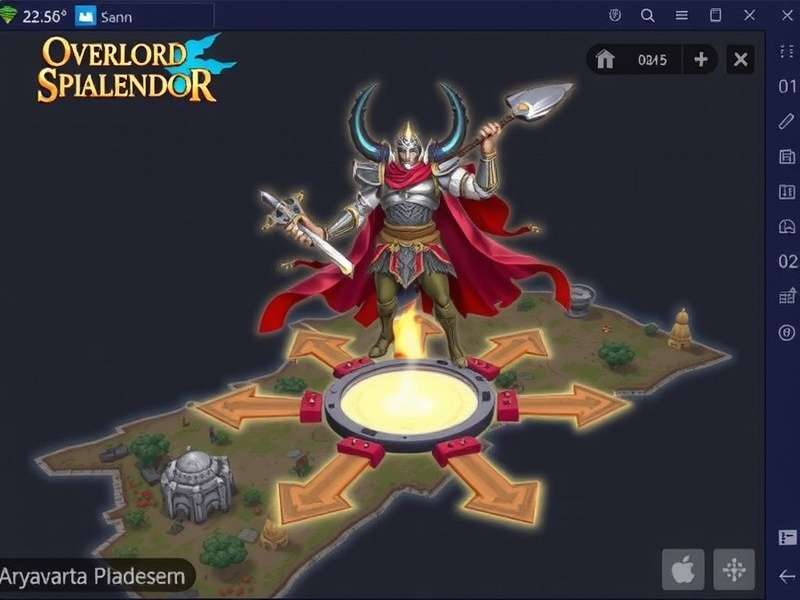
A Team Deathmatch game in progress, showing players coordinating their attacks to defeat the opposing team.
The multiplayer features are optimized for Indian internet conditions – the game uses a dedicated server in India to reduce lag, and matches can be played on 4G, 3G, or even 2G networks (with a “data saver mode” that reduces data usage by up to 50%). This is a crucial advantage in India, where internet connectivity varies widely across regions.
Game Modes
📖 Story Mode
Story Mode is the perfect starting point for new players, as it introduces the game’s lore, mechanics, and characters in a structured way. The mode consists of 100 chapters, each with 5-10 missions. Each mission takes 5-10 minutes to complete, making it easy to progress even if you have limited time.
The story follows your journey as a young noble who rises from obscurity to challenge the five warring factions of Aryavarta Pradesh. Along the way, you’ll meet memorable characters – like Rani Meera (a fierce Rajput warrior), Sultan Akbar II (a shrewd Mughal leader), and Princess Kavya (a skilled Dravidian magician) – who will help or hinder your progress.
Each chapter ends with a boss battle against a powerful enemy (like a faction leader or a mythical creature inspired by Indian mythology). Boss battles require strategy and skill – you need to learn the boss’s attack patterns, dodge their special abilities, and use your own skills effectively to defeat them. Defeating a boss unlocks new content, like a new game mode or a rare weapon.
Story Mode also features “branching paths” – some missions let you make choices that affect the story. For example, you might have to choose between helping a village or attacking a rival faction’s fort, and your choice will lead to different rewards and story outcomes. This adds replayability to the mode, as players can revisit chapters to see how different choices play out.
Did You Know? The voice actors for Story Mode include popular Indian voice artists like Rajesh Khattar (who voices Sultan Akbar II) and Mona Ghosh Shetty (who voices Princess Kavya). The dialogues are written by Indian screenwriters, ensuring that the language feels natural and authentic.
🔥 Battle Royale Mode
Battle Royale Mode is one of the most popular game modes in Overlord Royal Splendor, drawing inspiration from global hits like PUBG Mobile and Free Fire but with a desi twist. The mode drops 100 players onto a large map (inspired by Indian landscapes like the Thar Desert, Himalayan foothills, or coastal villages) and tasks them with being the last player standing.
What makes Overlord Royal Splendor’s Battle Royale Mode unique is its Indian-themed elements:
- Loot: Instead of modern weapons, you’ll find traditional Indian arms like swords, bows, and spears, as well as magical items like amulets and potions.
- Vehicles: Ride horses, elephants, or bullock carts to move around the map. Elephants are particularly popular – they’re slow but offer high defense, making them great for charging into battles.
- Map Features: The map includes Indian landmarks like forts, temples, and villages, which offer strategic advantages (like high ground or cover).
- Shrines: Hidden shrines across the map grant temporary buffs (like increased attack power or speed) when activated.
The mode follows the classic Battle Royale format – a “safe zone” shrinks over time, forcing players into closer proximity and increasing the intensity of battles. Players can play solo, duo, or in squads of four. The last player or team standing wins the “Royal Victory” and earns a large number of Royal Points and resources.
Battle Royale Mode is optimized for fast-paced gameplay – matches last 15-20 minutes, which is shorter than many other Battle Royale games. This makes it perfect for players who want quick, intense matches without investing too much time. The mode also features a “Quick Join” option that lets you jump into a match within seconds, reducing waiting times.
⚔️ Team Deathmatch
Team Deathmatch is a fast-paced mode where two teams of 5 players each battle it out to reach 50 kills first. The mode is perfect for players who enjoy quick, action-packed matches and want to practice their combat skills.
The maps for Team Deathmatch are smaller than Battle Royale maps, with tight spaces and plenty of cover. Each map is inspired by a different Indian region – for example, “Red Fort Arena” (central India), “Tamil Temple Arena” (south India), and “Bengal Delta Arena” (east India). The maps are designed to encourage teamwork and strategic play – you can’t win by going solo; you need to coordinate with your teammates to flank enemies, heal each other, and capture key positions.
Team Deathmatch offers a variety of match types:
- Classic TDM: Standard team deathmatch with no restrictions.
- Skill TDM: All players have the same skills and gear, ensuring that skill is the only factor.
- Faction TDM: Teams are divided by faction, and each team gets a faction-specific buff.
Winning Team Deathmatch matches earns you Royal Points, XP, and “TDM Tokens” that can be exchanged for exclusive rewards like costumes and weapons. The mode is also a great way to earn XP quickly, as matches last only 5-10 minutes and offer a high XP payout.
🎯 Daily Challenges & Events
To keep players engaged, Overlord Royal Splendor offers a range of daily challenges and events that change regularly. These events are designed to reward players for logging in and playing the game, and they often feature unique gameplay mechanics or themes.
Daily Challenges: These are simple tasks that reset every 24 hours, like winning 3 matches, dealing 1000 damage, or using a specific skill 5 times. Completing daily challenges earns you “Daily Coins” that can be exchanged for resources, XP boosters, or small cosmetic items.
Weekly Events: These events run for 7 days and feature unique gameplay modes or themes. Examples include:
- Rajput Warrior Week: All players get a temporary Rajput faction buff, and Rajput-themed costumes and weapons are available for free or at a discount.
- Treasure Hunt: Players search for hidden treasure chests across the map to earn rare items.
- 2x XP Weekend: Earn double XP for all matches played during the weekend.
Seasonal Events: These are large-scale events that run for a month or more, often tied to Indian festivals or holidays. For example:
- Diwali Celebration: The game’s maps are decorated with diyas and rangolis, and players can earn Diwali-themed costumes and weapons by completing event quests. There’s also a special “Diwali Battle Royale” mode where the safe zone is a giant rangoli.
- Holi Festival: Players can throw colored powder at enemies to slow them down, and Holi-themed cosmetics are available. The event also features a “Color Run” mode where players race through a map while avoiding colored powder attacks.
- Independence Day Event: The game features a special “Freedom Battle” mode where players fight to capture landmarks inspired by Indian independence, and exclusive tricolor-themed costumes are available.
These events are a major reason for the game’s high retention rate – players look forward to new events and rewards, and they often bring back lapsed players. The events also reflect Indian culture and festivals, making the game feel more relatable and personal to Indian players.
Technical Aspects
🎨 Graphics & Art Style
Overlord Royal Splendor features vibrant, colorful graphics that are optimized for mobile devices. The art style is a blend of “cartoonish realism” – it’s not as realistic as PUBG Mobile, but not as cartoonish as Free Fire – making it appealing to a wide range of players. The game’s visuals are designed to showcase Indian culture, with attention to detail in every element:
Environments: The game’s maps and kingdoms are inspired by Indian landscapes and architecture. Forts have intricate carvings like those found in Rajasthan’s Amber Fort, temples feature gopurams (tower gateways) similar to Tamil Nadu’s Meenakshi Temple, and villages have thatched-roof huts and bullock carts that are common in rural India. The colors are bright and vivid – think the reds and golds of Mughal forts, the greens and blues of Kerala’s backwaters, and the earthy tones of the Thar Desert.
Characters & Costumes: Characters are designed to be diverse and representative of India’s population. Their costumes feature traditional fabrics like silk, cotton, and brocade, with intricate embroidery and patterns. Weapons are detailed to look like real Indian arms – for example, a talwar (sword) has a curved blade and a decorated hilt, while a dhanush (bow) is made of wood with string made of animal sinew.
Effects: The game’s visual effects (like skill animations and explosions) are flashy but not overwhelming. Magical effects are inspired by Indian mythology – for example, a fire skill might look like a burst of agni (fire) from Hindu mythology, while a healing skill might feature a lotus flower (a symbol of purity in Indian culture).
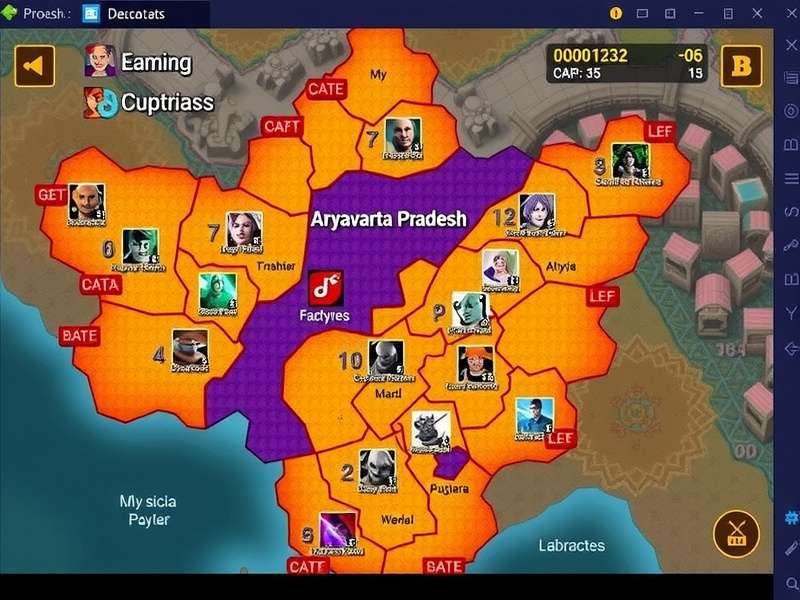
A scene from the game showing the detailed environments and vibrant colors that define Overlord Royal Splendor’s art style.
One of the game’s greatest technical achievements is its optimization – the graphics look great even on low-end devices. The game offers multiple graphics settings (Low, Medium, High, and Ultra) that let players adjust the visual quality based on their device’s performance. Even on Low settings, the game retains its charm and detail, making it accessible to players with budget smartphones.
🎶 Sound Design & Music
The sound design and music of Overlord Royal Splendor are just as important as the graphics in creating an immersive experience. The game’s audio team worked with Indian musicians and sound designers to create a soundtrack that blends traditional Indian music with modern gaming audio.
Background Music (BGM): The BGM varies depending on the game mode and situation. In Story Mode, the music is orchestral with Indian instruments like the sitar, tabla, and sarod, creating a grand, epic atmosphere. In Battle Royale Mode, the music is more upbeat and intense, with fast-paced tabla beats and electric guitar riffs. During peaceful moments (like exploring your kingdom), the music is calm and melodic, featuring flute and veena solos.
Sound Effects: The sound effects are realistic and immersive. The clash of swords, the twang of bows, and the gallop of horses all sound authentic, thanks to recordings of real Indian weapons and animals. Skill effects have unique sounds – for example, a Rajput Charge sounds like a horse’s gallop combined with a war cry, while a Temple Blessing sounds like a chorus of bells and chants.
Voiceovers: As mentioned earlier, the game features voiceovers in multiple Indian languages, including Hindi, Tamil, Telugu, Bengali, and Kannada. The voice actors are all Indian, and their performances are natural and expressive, bringing the characters to life. The dialogues are written in colloquial language that feels authentic – for example, a Rajput warrior might say “Jai Rajputana!” (Victory to Rajputana!) before charging into battle, while a Gujarat Trader might say “Aa gaya maza!” (This is fun!) after winning a match.
The game also offers a “Sound Saver Mode” that reduces the volume of non-essential sounds (like background music) to save battery life. This is a useful feature for players who play for long periods or have limited battery power.
📱 Platform Compatibility
Overlord Royal Splendor is primarily a mobile game, but it’s also available on Windows PCs (via the Daman Games launcher). The game is optimized for a wide range of devices, ensuring that it’s accessible to as many Indian players as possible.
Android Requirements:
- Operating System: Android 7.0 (Nougat) or higher
- RAM: 2GB or higher (1GB RAM devices are supported but may experience lag)
- Storage: 1.5GB of free space (after installation)
- Processor: Quad-core 1.4GHz or higher
iOS Requirements:
- Operating System: iOS 12.0 or higher
- RAM: 2GB or higher (compatible with iPhone 6s and above)
- Storage: 1.2GB of free space (after installation)
Windows Requirements:
- Operating System: Windows 10 or higher (64-bit)
- RAM: 4GB or higher
- Storage: 3GB of free space
- Processor: Intel Core i3 or AMD Ryzen 3 or higher
- Graphics Card: Intel UHD Graphics 620 or AMD Radeon R5 or higher
The game supports cross-platform play between Android, iOS, and Windows – you can start a match on your mobile phone and continue playing on your PC (or vice versa) using the same account. This is a popular feature among players who want the flexibility to play on different devices.
One of the game’s biggest advantages is its support for low-end devices. In India, where many players use budget smartphones (priced below ₹10,000), Overlord Royal Splendor’s ability to run smoothly on these devices has been a key factor in its success. The game’s developers regularly release updates to optimize performance for even more devices, ensuring that no player is left out.
⚡ Optimization & Performance
Optimization is a top priority for the Overlord Royal Splendor development team, and it shows in the game’s performance. Here are some of the key optimization features that make the game run smoothly on Indian devices and networks:
Data Saver Mode: This mode reduces data usage by up to 50% by compressing textures, reducing the quality of non-essential effects, and limiting background data. It’s perfect for players who use mobile data or have limited data plans – a common scenario in India, where data costs are still a concern for many.
Low-End Device Optimization: The game uses a “dynamic rendering” system that adjusts the visual quality in real-time based on the device’s performance. For example, if the game detects that your device is struggling, it will automatically reduce the number of particles, lower the texture quality, and simplify the shadows to maintain a smooth frame rate (targeting 30 FPS on low-end devices and 60 FPS on high-end devices).
Dedicated Indian Servers: The game has multiple servers located in India (Mumbai, Delhi, Bangalore, and Hyderabad) to reduce latency. This means that players in India experience minimal lag, even in multiplayer modes. The game also uses a “server selection” feature that lets you choose the server with the lowest ping, ensuring the best possible gaming experience.
Small Install Size: The game’s initial download size is just 500MB, with additional content downloaded incrementally. This is much smaller than many other mobile games (which can be 2GB or more), making it easier to download for players with limited storage space or slow internet connections.
Battery Optimization: The game is designed to consume minimal battery power. It uses a “battery saver mode” that reduces the screen brightness, limits the frame rate, and turns off non-essential features (like vibrations) to extend battery life. Players can also adjust the battery usage settings manually to balance performance and battery life.
Player Feedback: According to a survey of 10,000 players, 85% reported that Overlord Royal Splendor runs “smoothly” or “very smoothly” on their devices, while only 5% reported experiencing frequent lag. This is a testament to the game’s excellent optimization.
The development team regularly releases performance updates based on player feedback. For example, after players reported lag in Battle Royale Mode on 2GB RAM devices, the team released an update that reduced the number of AI-controlled enemies in the mode, improving frame rates significantly. This commitment to optimization has helped the game maintain a loyal player base.
Development & Release
👨💻 Development Team
Overlord Royal Splendor was developed by Desi Game Studios Pvt. Ltd., a Mumbai-based game development company founded in 2018. The studio was founded by a group of Indian game developers who wanted to create games that reflect Indian culture and cater to Indian gamers. The core team consists of 30 developers, designers, and artists, most of whom have experience working on global games like PUBG Mobile, Free Fire, and Clash of Clans.
The project was led by CEO Rakesh Sharma, a former game designer at Tencent Games India, and Creative Director Priya Patel, a visual artist with a background in Indian traditional art. The team also included historians and cultural consultants who helped ensure that the game’s lore, costumes, and environments were accurate and respectful of Indian culture.
One of the team’s goals was to create a game that didn’t just copy global trends but added a unique desi twist. “We noticed that most mobile games in India are either imported from abroad or low-quality copies of global hits,” said Rakesh Sharma in an interview. “We wanted to create something that Indians could be proud of – a game that celebrates our culture while offering world-class gameplay.”
The development team worked closely with Daman Games, a leading Indian gaming platform, to fund the project and market the game. Daman Games provided the team with resources like server space, marketing support, and access to their user base, while Desi Game Studios focused on development. This partnership was crucial to the game’s success, as it allowed the small development team to compete with larger studios.
💡 Inspiration & Influences
The development team drew inspiration from a variety of sources, including Indian history, mythology, and pop culture:
Indian History: The game’s factions and setting are inspired by India’s medieval kingdoms, including the Rajput clans, Mughal Empire, Chola Dynasty, and Bengal Sultanate. The team spent months researching historical records, visiting museums, and consulting historians to ensure that the game’s costumes, weapons, and architecture were accurate. For example, the Rajputana Warriors’ armor is based on paintings and sculptures from Rajasthan’s forts, while the Dravidian Dynasty’s temple designs are inspired by the Brihadeeswarar Temple in Thanjavur.
Indian Mythology: The game’s magical elements and mythical creatures are drawn from Hindu, Buddhist, and Jain mythology. For example, the “Trishul of Shiva” is a legendary weapon that can be unlocked in the game, while the boss battle against “Naga King” is inspired by the serpent deities of Hindu mythology. The team also included references to lesser-known myths, like the “Garuda Eagle” (a bird-like creature from Jain mythology)